Replacement windows in Forest Row, East Grinstead and the villages around them
Nine places, three district councils and two counties. Choose your village to see which council decides, whether anything limits the windows you can fit, and what the houses there were usually built with.
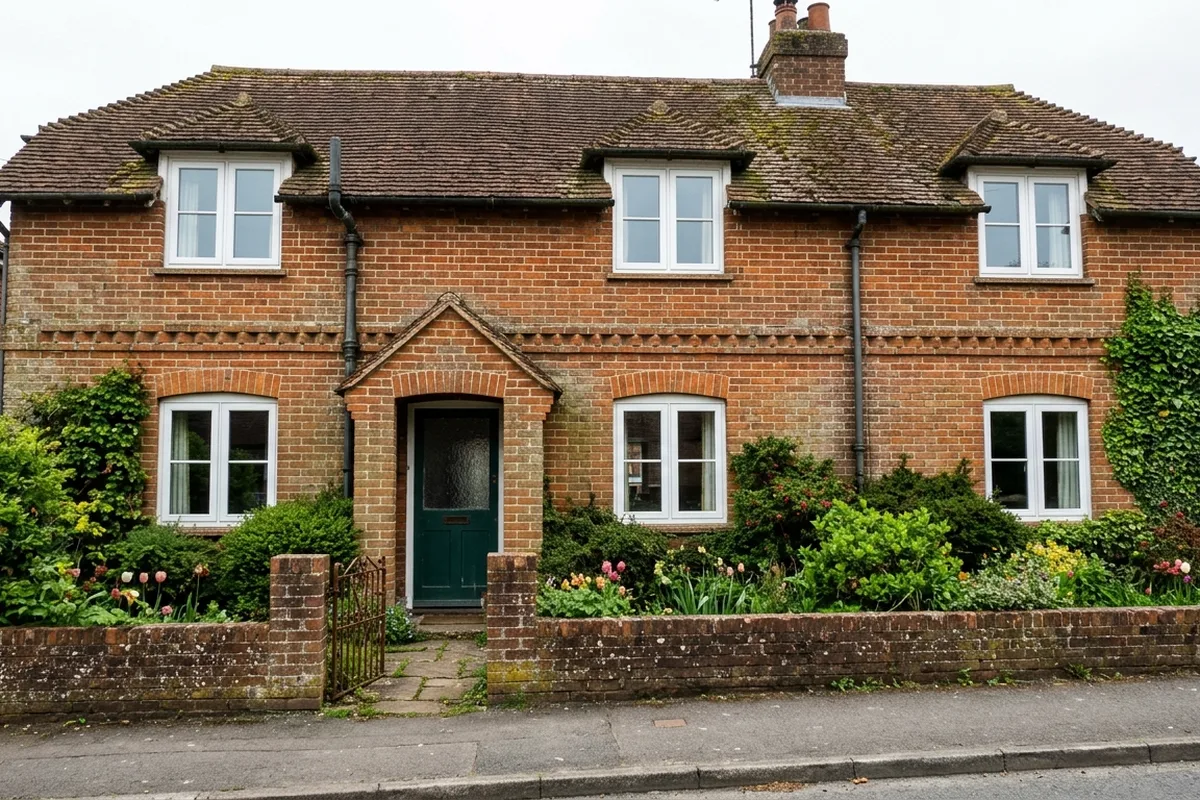 Forest RowThe home village. A small conservation area round the centre, open forest on three sides.Wealden
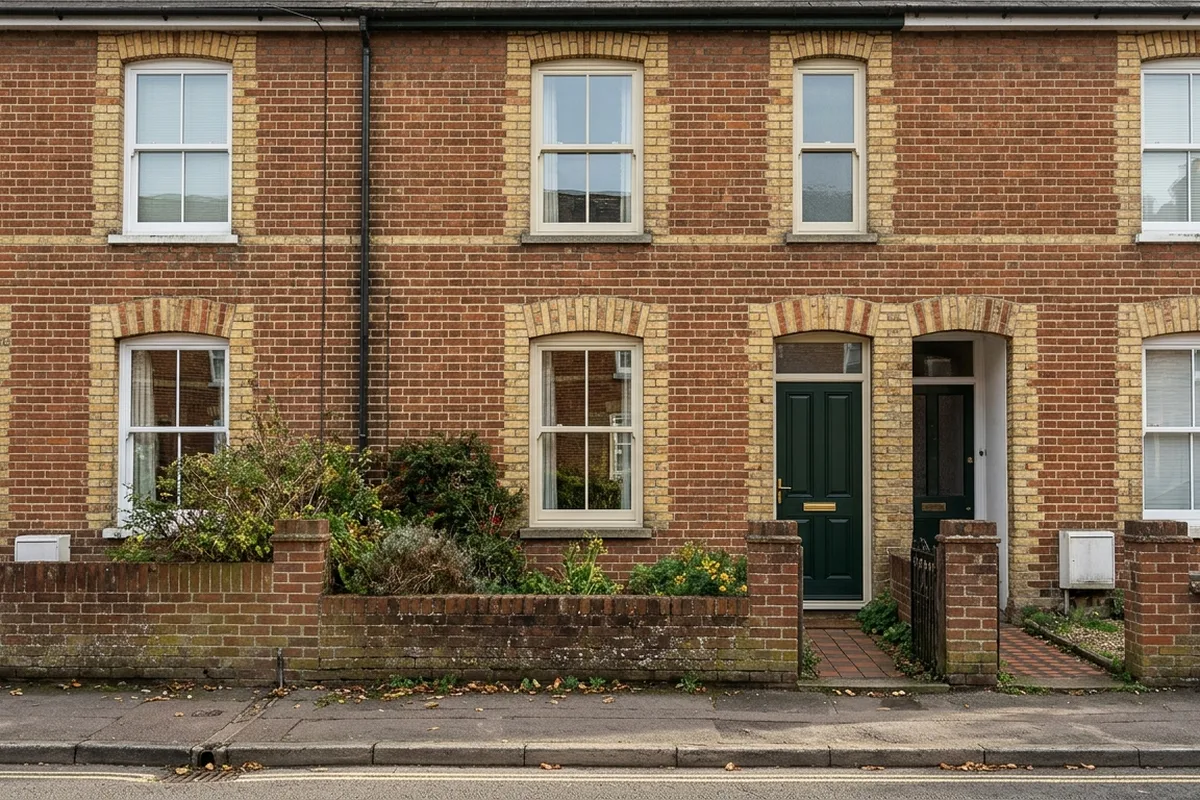 East GrinsteadMedieval High Street, Victorian railway terraces and big post-war estates.Mid Sussex
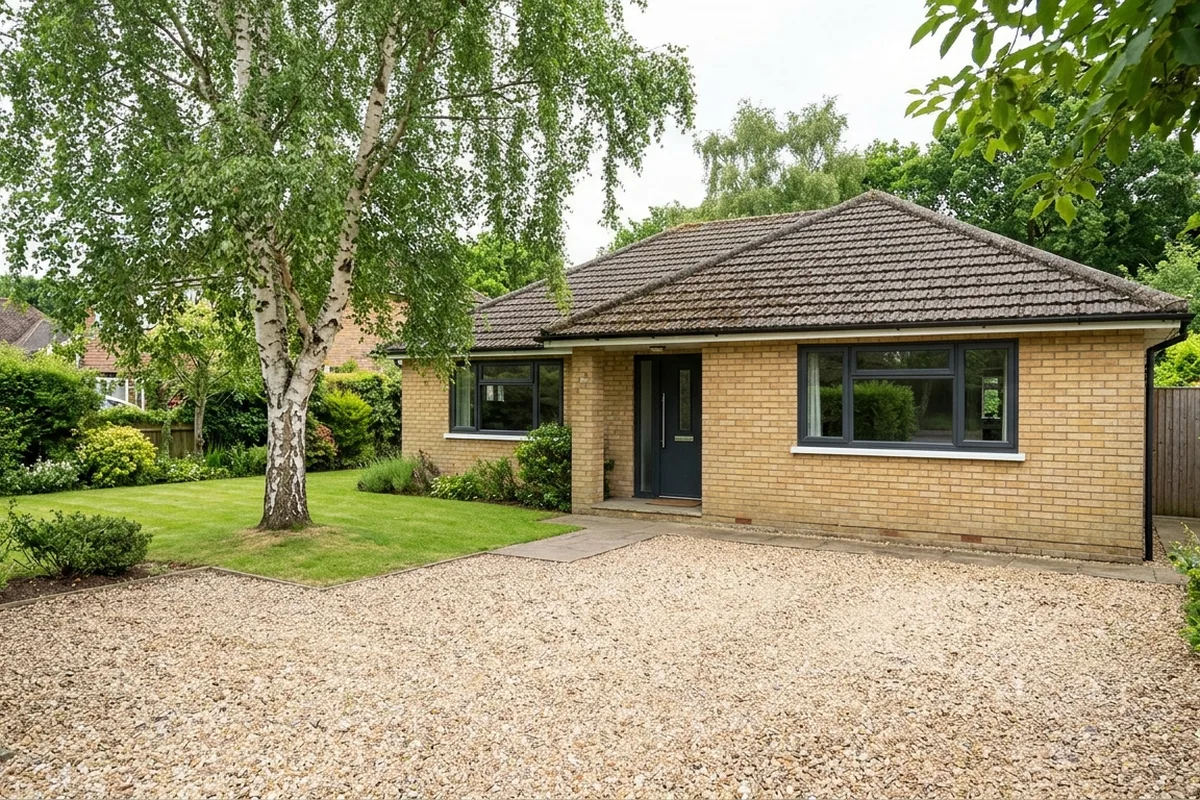 FelbridgeMostly detached homes running into East Grinstead, over the border in Surrey.Tandridge
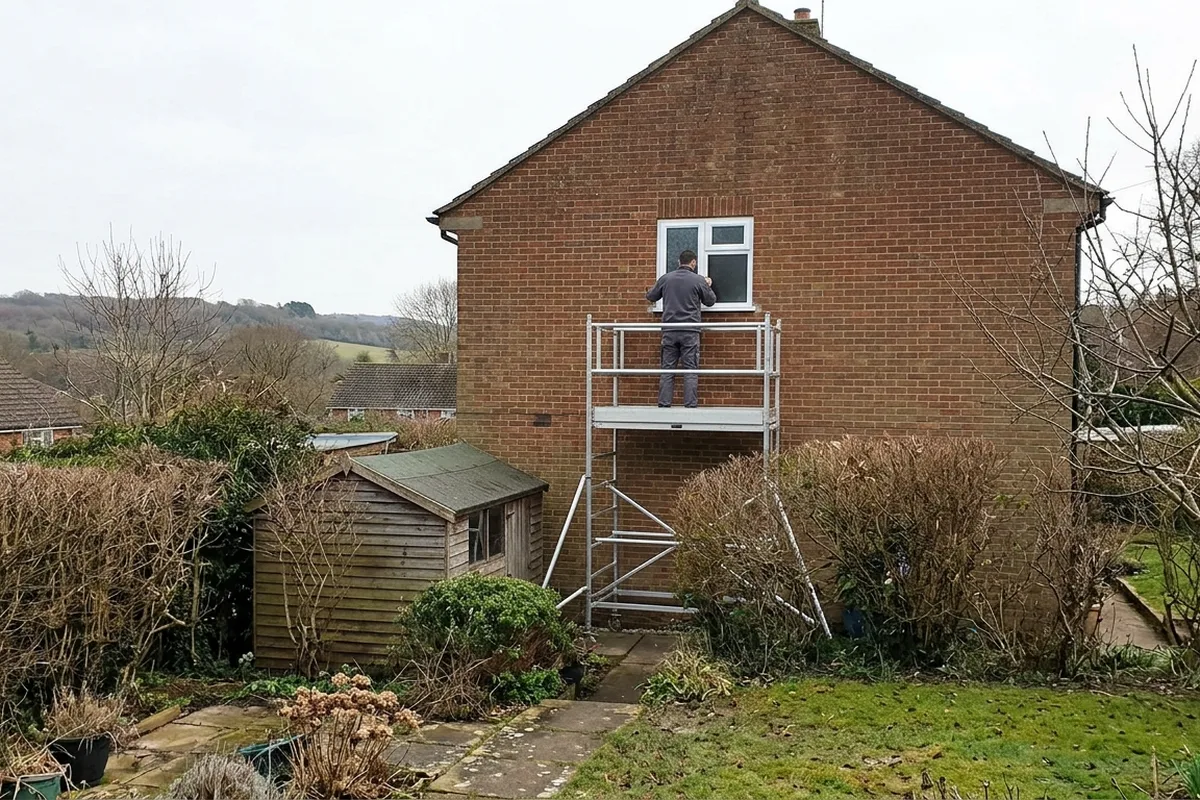 Ashurst WoodA ridge-top village with old farmhouses and plenty of post-war building.Mid Sussex
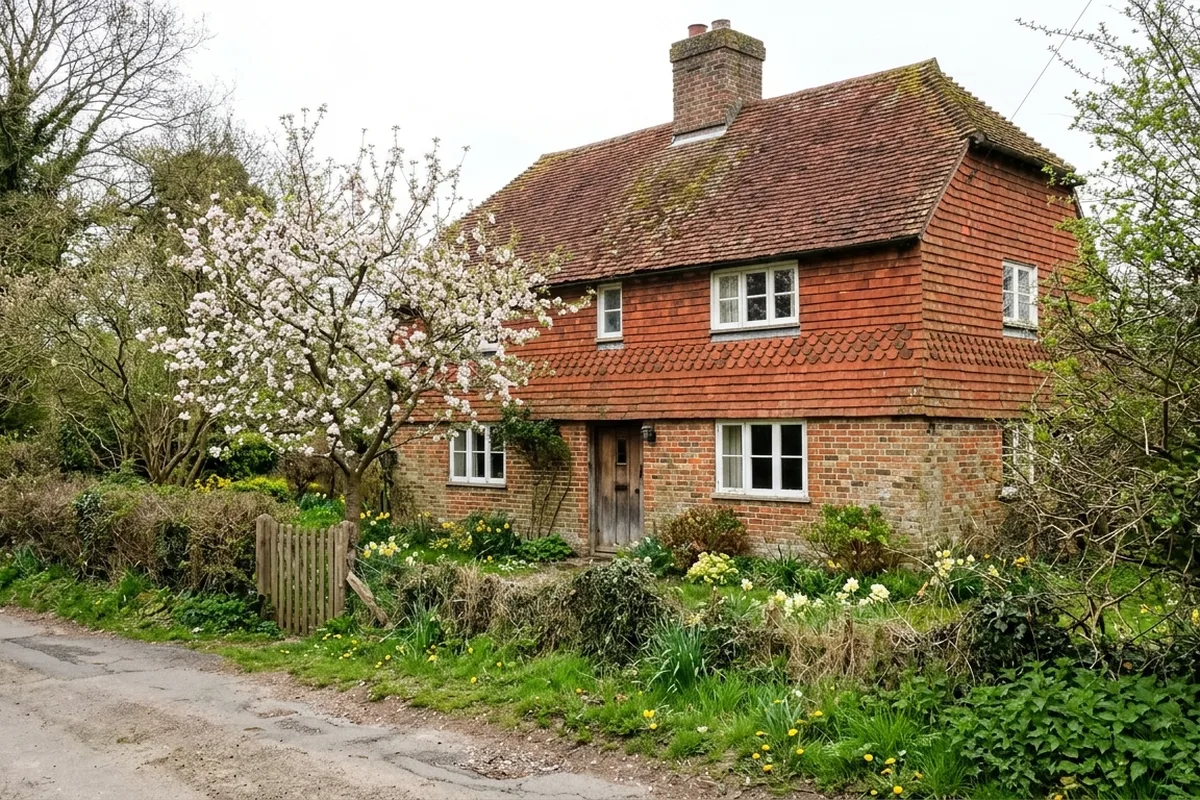 HartfieldA narrow village street, a conservation area and two dozen listed buildings.Wealden
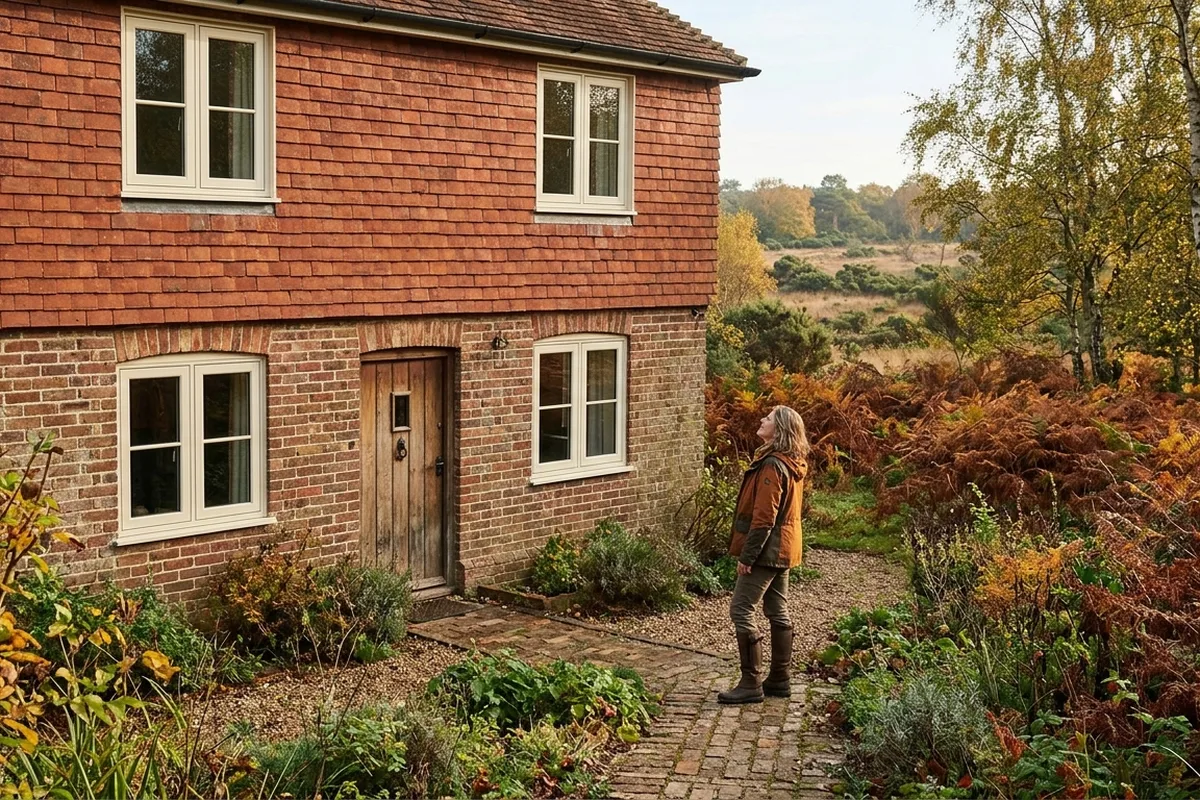 Colemans HatchScattered houses at the forest edge, many built after the railway came.Wealden
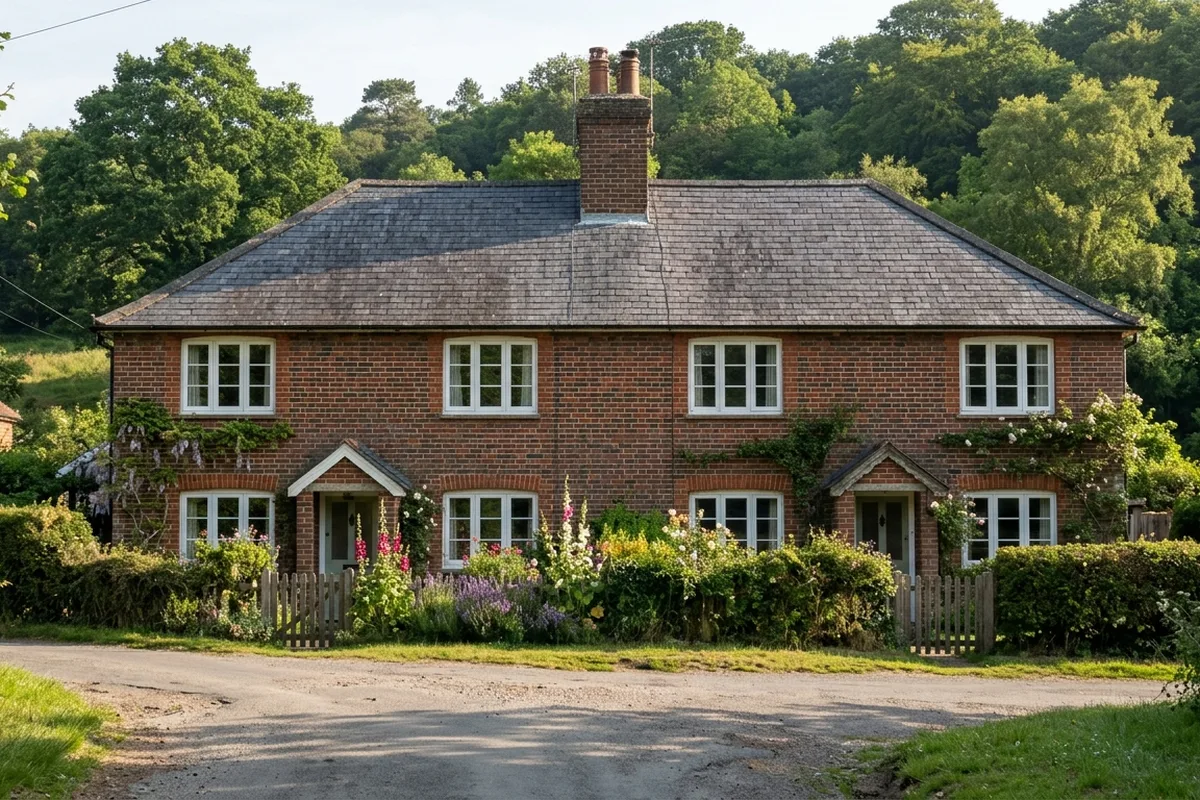 SharpthorneA brick village over the Bluebell Railway tunnel, with new homes on the way.Mid Sussex
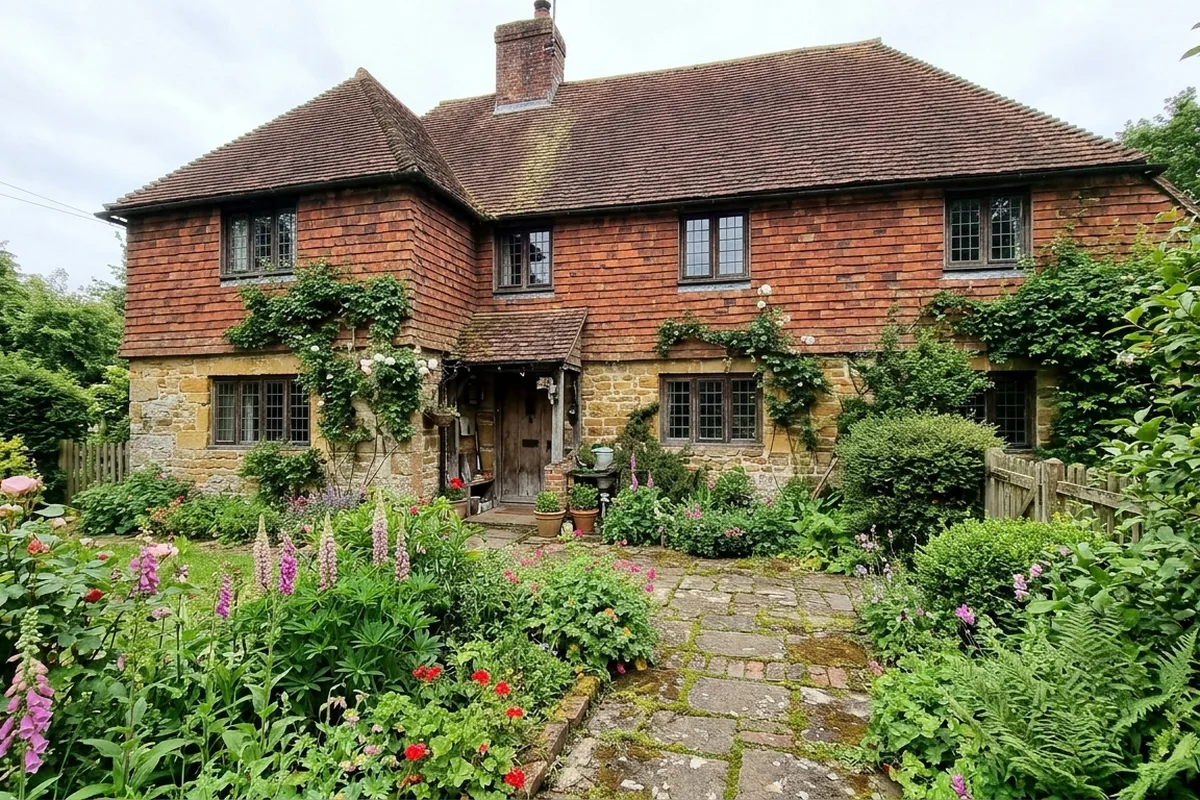 West HoathlyA hilltop conservation area of sandstone, timber frame and tile.Mid Sussex
 DormanslandVictorian villas, Dormans Park's wooded plots and small later estates.Tandridge
Windows in Forest Row
Forest Row grew where the turnpike road, now the A22, met the East Grinstead to Tunbridge Wells railway, which opened a station here in 1866. Ashdown Forest wraps round the village on three sides, so most houses sit along the A22, Hartfield Road and Lower Road, with newer streets such as Gage Ridge and Michael Fields filling the gaps.
Wealden District Council decides planning here. It first drew the Forest Row conservation area in 1992 and redrew it in March 2017, adding the shop fronts and flats along Hartfield Road, the cottages on Lower Road, The Square and part of Gilham Lane. The area holds sixteen listed buildings, among them the 1851 former National School on Hartfield Road, now the community centre, with its stone-mullioned casements.
The one point that surprises people: Wealden has only one Article 4 direction controlling things like windows, and it covers part of Rotherfield, not Forest Row. So a house in the Forest Row conservation area can usually have its windows replaced without planning permission, provided the new ones look similar to the old. The exceptions are listed buildings and flats, including the flats above the Hartfield Road shops. Both need the council's say-so first.
Three councils, and the rules that actually apply
Wealden District Council
Forest Row, Hartfield and Colemans Hatch. Conservation areas in Forest Row and Hartfield. No Article 4 direction in either.
Mid Sussex District Council
East Grinstead, Ashurst Wood, West Hoathly and Sharpthorne. Conservation areas in East Grinstead (two) and West Hoathly. Mid Sussex lists Article 4 directions only in Cuckfield and Lindfield.
Tandridge District Council
Felbridge and Dormansland, both in Surrey. Neither village appears in Tandridge's list of conservation areas.
Much of the land round these villages lies in the High Weald, renamed a National Landscape in 2023 but still often called the AONB. That status shapes new building and extensions. It does not take away a householder's right to replace windows. For a house, what decides it is whether the building is listed and whether the new windows look like the old ones. Read the village-by-village planning page.
Houses here, and what they usually need
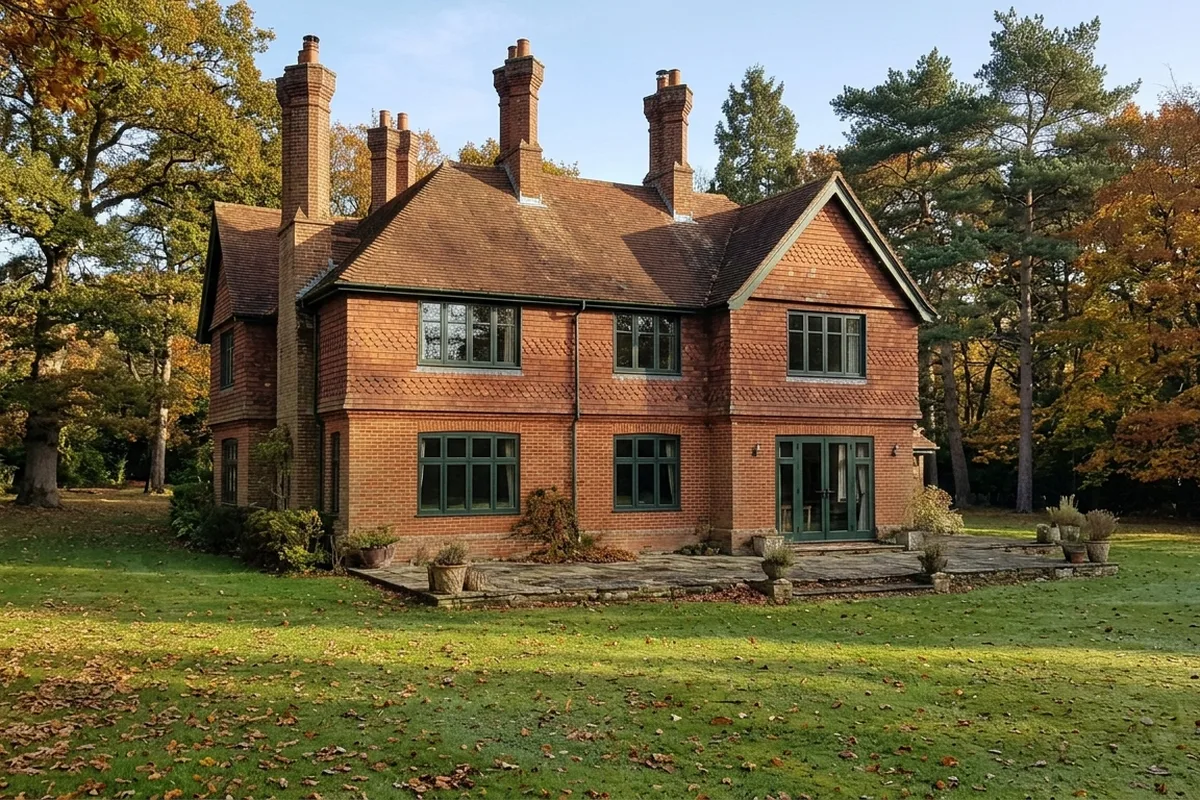
The older cottages round the forest are clay tile-hung or built of the local sandstone, with small side-hung casements. East Grinstead added streets of brick terraces and villas after its railway arrived in 1855. The late Victorian money that followed the trains brought big country houses: Philip Webb built Standen, south of East Grinstead, for a London solicitor in the early 1890s, and its Arts and Crafts look still shapes taste in the area. Then came council estates between the wars and the large post-war estates such as Imberhorne.
Each of those wants a different window. See the house types page for what normally goes where.
The windows covered
- uPVC casement windows: the usual answer for tile-hung cottages and post-war houses alike
- Aluminium windows: slim frames for Arts and Crafts houses and for anyone who wants grey, black or green
- Timber windows: for listed buildings, where the consent will almost always ask for it
- Sash windows: for East Grinstead's Victorian terraces and villas
- Bay windows: for the late Victorian and Edwardian houses of East Grinstead's railway growth
What jobs cost
Prices on this site appear only as worked examples of typical jobs in these villages, from a single landing window in Ashurst Wood to a whole house in Dormans Park. The example jobs page lists eight of them, smallest first.
Who you will deal with
This website passes your enquiry to a FENSA-registered installer, who visits, measures and quotes in its own name. How that works.
Tell us the village and the house type, and a surveyor will come and measure, then send a written quote.